How to Offer Delivery Without DoorDash or Uber Eats
Delivery has been a rough deal for independent restaurants for about a decade. The marketplace apps charge a commission on every order, generally somewhere in the range of 15 to 30 percent depending on the plan tier, and that percentage comes out of the food itself. On a $60 order, 15 to 30 percent is $9 to $18. Restaurant margins are thin enough that a commission at the top of that range can turn a profitable order into one you fulfilled at a loss.
The standard alternative is hiring your own drivers, which trades the commission for payroll, insurance, and paying someone to wait between orders. For a restaurant doing a dozen deliveries a night, a driver on the clock all evening usually costs more than the commission did.
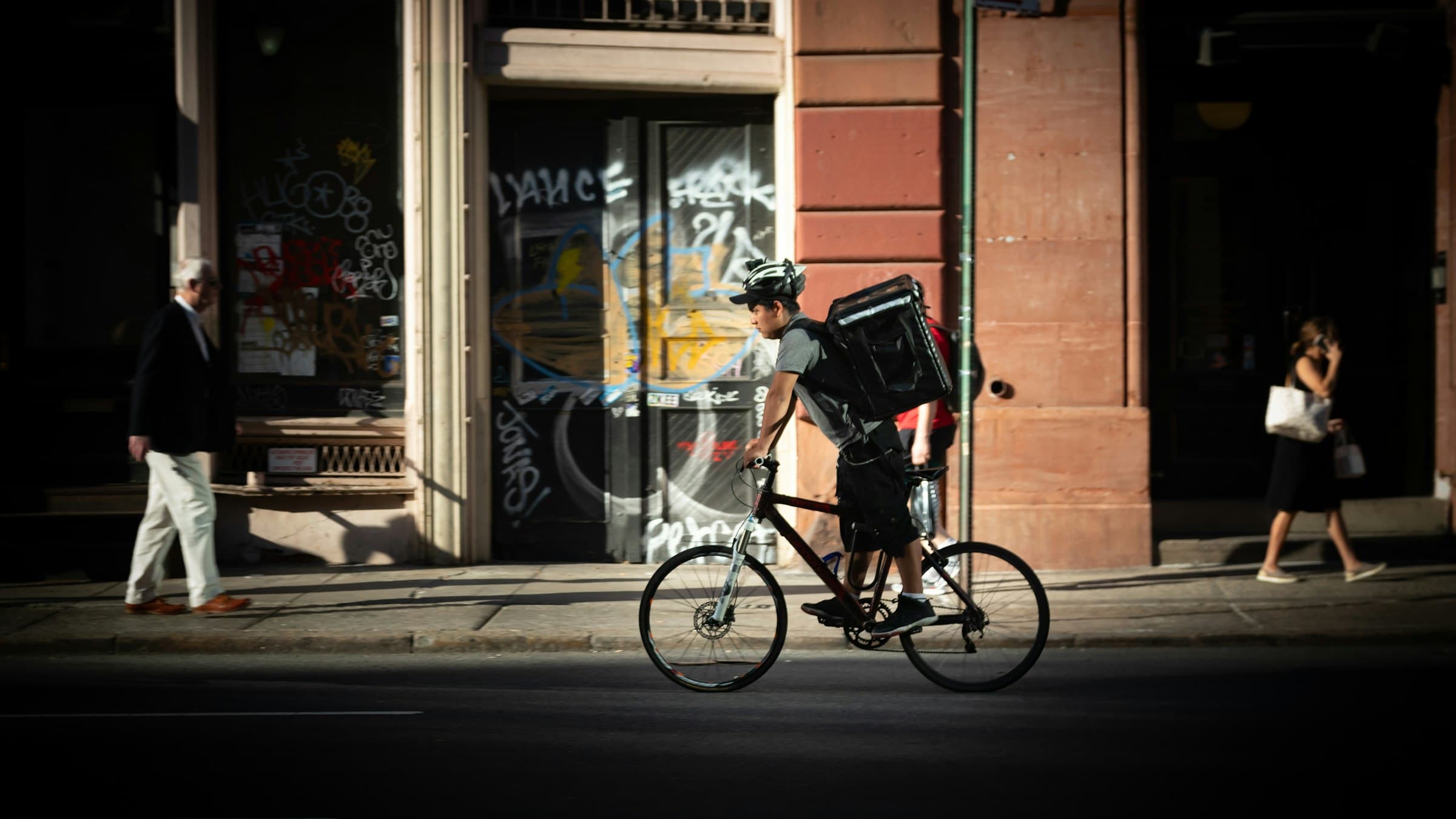
bavoli now offers a third option. Any restaurant on bavoli can take delivery orders through its own bavoli ordering page, and we dispatch a courier from the Uber Direct network for each order. There are no drivers to hire, no fleet to insure, and no marketplace listing. Delivery is available for US restaurants today; restaurants outside the US can use pickup ordering now, with delivery expanding later.
What it costs
The fee model is short enough to quote in full. bavoli's fee is a flat $1 per order, and your customer covers it at checkout inside one line that also covers card processing. Your customer also pays the actual delivery fee, quoted before they pay and passed through at cost with no markup. There is no percentage commission on the food, and your restaurant keeps 100% of the menu price.
Here is the comparison against a 15 to 30 percent commission:
| Order subtotal | Marketplace commission (15-30%) | bavoli fee |
|---|---|---|
| $30 | $4.50 to $9.00 | $1.00 |
| $60 | $9.00 to $18.00 | $1.00 |
| $100 | $15.00 to $30.00 | $1.00 |
This is the same pattern I wrote about with per-cover reservation fees. A percentage fee grows with your check sizes, so the orders that should carry your night are the ones that cost the most to fulfill. A flat dollar shrinks as a share of the order as the order gets bigger.
Run it over a month. A restaurant doing 200 delivery orders at a $50 average subtotal pays $1,500 to $3,000 in commission at marketplace rates. The same month on bavoli costs $200 in order fees, and by default your guests cover those at checkout. On the Free plan there is no subscription underneath.
How an order works
A guest opens your ordering page, the same digitized menu that already powers pickup on bavoli, picks their food, and enters a delivery address. The quoted delivery fee for that address appears before they pay. They pay by card, Apple Pay, or Google Pay.
On your side, the order lands in the same dashboard and tablet queue as your pickup orders and reservations. There is no second tablet and no separate login. Once you accept the order and the payment is captured, a courier is dispatched automatically. The guest gets SMS updates as the order moves and a tracking page to watch it arrive. The online ordering feature page walks through the whole flow.
Where the marketplace commission makes sense
I want to be straight about what the commission can buy. The marketplace apps bring discovery. Someone scrolling DoorDash or Uber Eats at 8pm who has never heard of your restaurant is a customer the marketplace found for you, and paying a commission on that first order can be a reasonable acquisition cost. bavoli has no consumer marketplace, so we can't send you strangers.
The problem is that the commission applies to every order, including the ones the marketplace had nothing to do with. A regular who orders every Thursday costs you the same percentage as a stranger the app discovered. So does someone who searched your name on Google and ended up in an app because that was the only way to get your food delivered. On those orders you're paying an acquisition fee for a customer you already had, and the commission is pure margin loss.
The practical setup for most restaurants follows from that split. Keep a marketplace listing if it brings you orders from people who would never have found you otherwise, and give everyone who already knows you a direct way to order. Put your bavoli ordering link on your website, your Google Business Profile, and your Instagram bio, because those are the places your existing customers look first. Every order that arrives through them costs you $1 instead of a percentage.
Getting set up
Delivery ordering works on every plan, including Free, and the flat $1 per order is bavoli's only charge on it. The details are on the pricing page. If your menu is already digitized on bavoli for pickup, that same menu takes delivery orders. If you're new to bavoli, you can sign up without a credit card, get your menu online, and see the exact ordering page your guests would use before you take a single order.
The commission model lasted this long because a restaurant had no practical way to dispatch one courier for one order. Courier networks changed that, and on bavoli your share of each delivery order is a flat dollar.